Thangka Tibetan Art is one of the most sacred and beautiful art forms in Himalayan Buddhism. In the introduction itself, we use the keyphrase clearly:
➡️ Thangka Tibetan Art is a spiritual painting created to guide meditation, visualize deities, and preserve ancient Buddhist teachings.
These paintings are not just decorative—they are visual scriptures, filled with symbolism, precision, and divine meaning.
🎨 What Is Thangka Tibetan Art?
A Thangka (also spelled Tangka or Thanka) is a hand-painted Buddhist scroll artwork made on cotton or silk. It usually depicts:
- Buddhas
- Bodhisattvas
- Mandalas
- Spiritual masters
- Cosmic symbols
- Life of Buddha
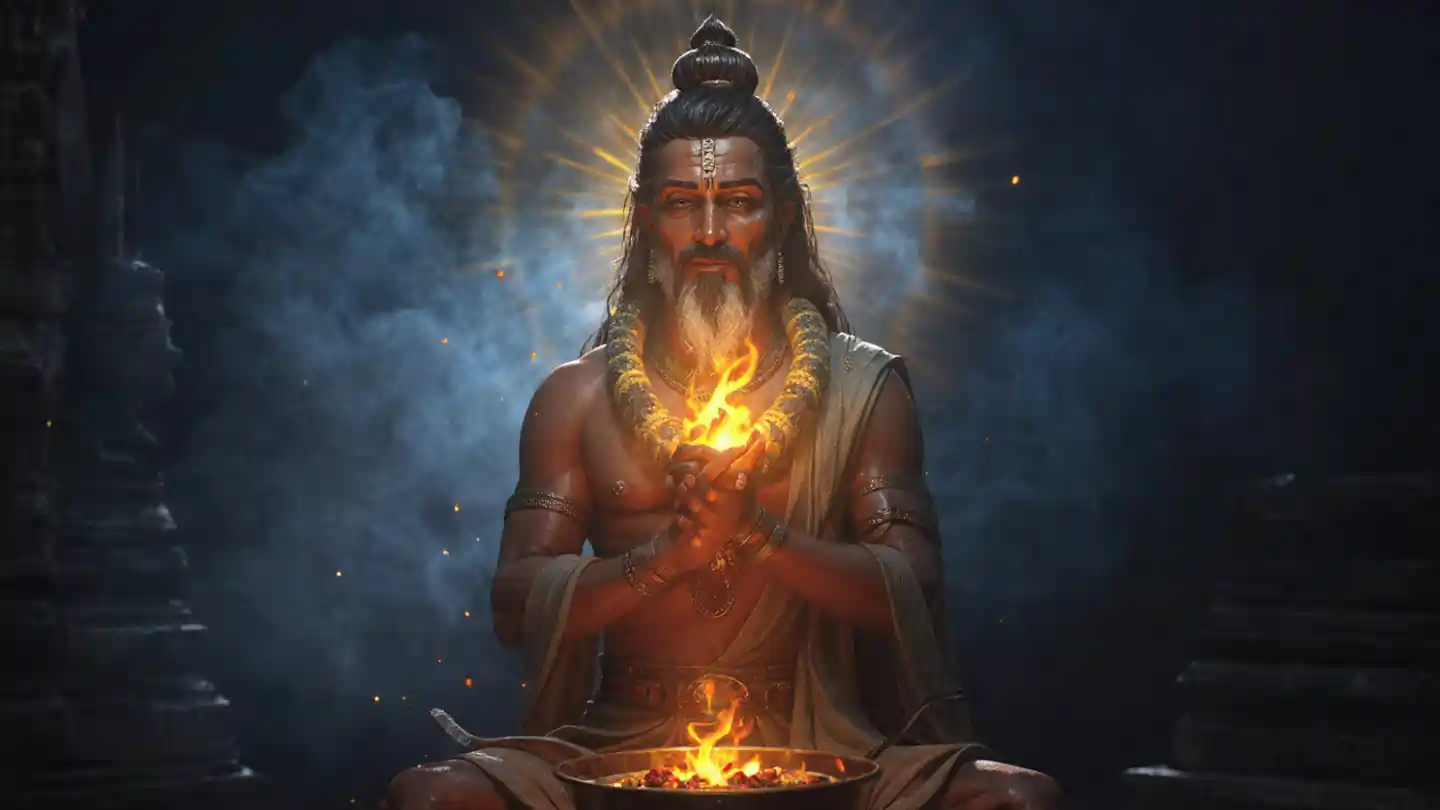
- Protective deities
Thangkas are portable, sacred, and deeply connected to spiritual practice.
🌸 History of Thangka Tibetan Art
Thangkas originated around the 7th century, during the spread of Buddhism in Tibet. They were used by monks, travelers, and yogis for meditation and teaching.
This art form blends:
- Indian Buddhist art
- Nepalese craftsmanship
- Tibetan cultural style
Every region of Tibet developed its own signature color tones and detailing style, giving each Thangka a unique cultural identity.
🧘♂️ Purpose of Thangka Art
Thangkas are not just artistic—they serve important spiritual functions, such as:
- Meditation guidance
- Visualization of deities
- Teaching Buddhist philosophy
- Conducting rituals
- Offering protection
- Inspiring compassion and wisdom
For practitioners, a Thangka is like a spiritual gateway.
🔍 Symbolism in Thangka Tibetan Art
Every element in a Thangka has meaning:
- Lotus → Purity
- Flames → Transformation
- Mudras → Divine gestures
- Colors → Emotional and spiritual qualities
- Mandala circles → Universe and inner cosmos
Nothing is drawn randomly; artists train for years to learn these symbols.
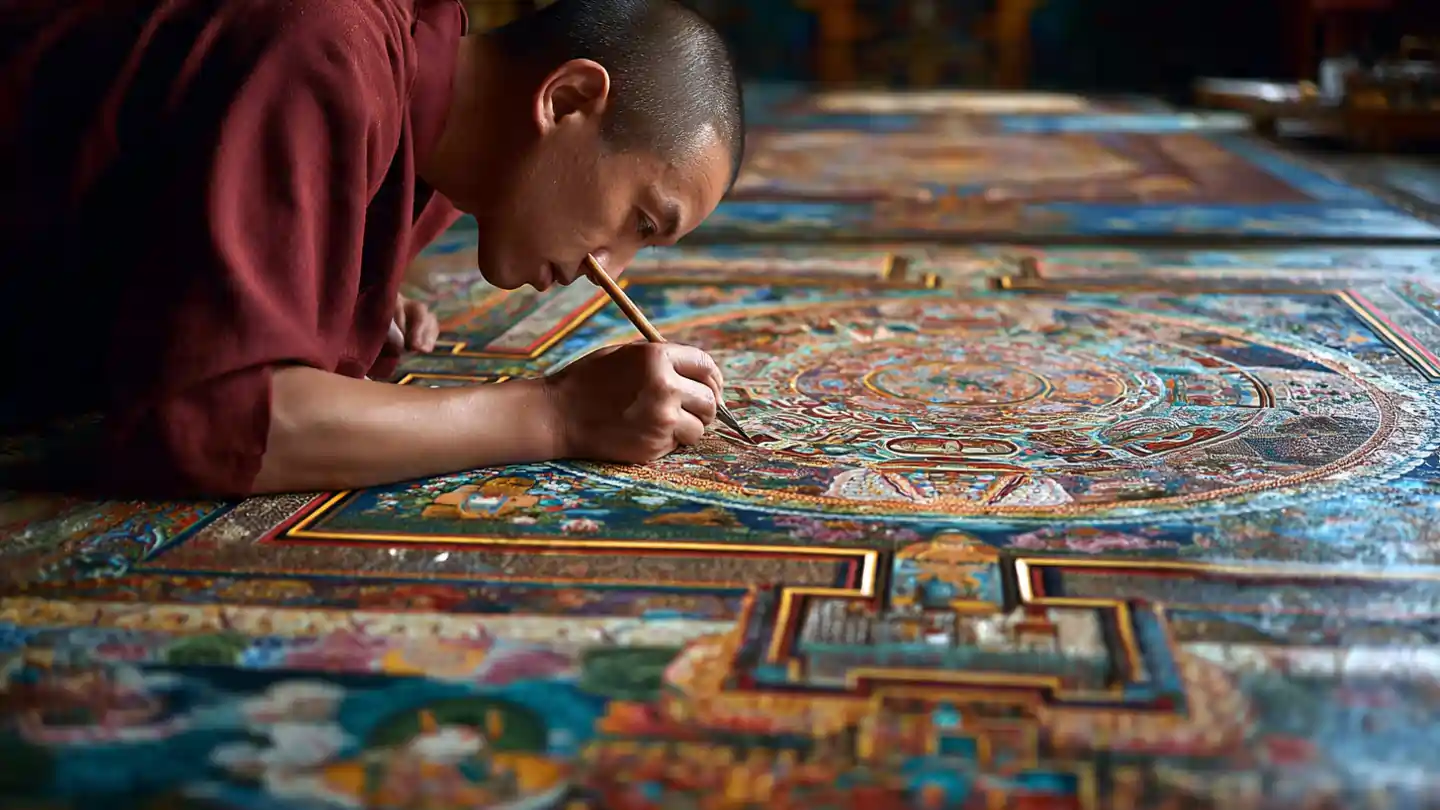
🎨 How Thangka Paintings Are Made
The creation process is long and sacred:
1. Preparing the Canvas
Cotton cloth is stretched, coated with chalk + glue, then polished flat.
2. Sketching the Grid
Proportions follow strict spiritual geometry.
3. Drawing the Deity
Artists draw fine outlines using charcoal or pencil.
4. Coloring with Natural Pigments
Colors come from minerals, stones, plants, and gold.
5. Adding Gold & Highlights
Gold dust is used for halos, ornaments, and divine light.
6. Blessing the Thangka
A lama or monk blesses it before it is used for practice.
Each step represents devotion, patience, and mindfulness.
🕯️ Types of Thangka Tibetan Art
1. Painted Thangka
Traditional style using natural pigments.
2. Appliqué Thangka
Made from silk pieces stitched together.
3. Brocade Thangka
Painted piece framed with silk brocade.
4. Mandala Thangka
Focused on cosmic diagrams for meditation.
5. Deity Thangka
Visualizes Tara, Avalokiteshvara, Vajrapani, etc.
🌟 Benefits of Thangka Tibetan Art
- Deepens meditation practice
- Improves concentration
- Brings calm, peace, and clarity
- Helps visualize compassion and wisdom
- Serves as a daily reminder of spiritual values
- Creates positive energy in the home
- Inspires devotion and spiritual discipline
Many people place Thangkas in puja rooms, meditation corners, or healing spaces.
📖 Read Also
1️⃣ LPG Gas Cylinder Price Today
2️⃣ Ujjwala Yojana जानकारी
3️⃣ KisanSuvidha Goverment Scheme
4️⃣ Bajrang Baan PDF – बजरंग बाण पाठ, लाभ और महत्व
5️⃣ Shiv Stuti Lyrics – शिव स्तुति का पाठ और अर्थ
❓ FAQs – Thangka Tibetan Art
1. What is Thangka Tibetan Art?
It is a sacred Buddhist painting used for meditation, rituals, and teaching.
2. Why are Thangkas used in Buddhism?
They help practitioners visualize deities and understand spiritual concepts.
3. How long does a Thangka painting take to complete?
A detailed Thangka can take weeks or even months.
4. Is Thangka painting still practiced today?
Yes, many monasteries and artists continue this ancient art.
5. Are Thangkas only religious?
Mostly yes, but they also hold cultural and historical importance.