In Hindu tradition, the 13th day ceremony is one of the most important rituals performed for a deceased person. This ceremony is called Terahvin, Tehravi, or Shuddhi Karma in many Indian households. The introduction itself highlights that the 13th day ceremony marks the spiritual closure of the soul’s journey on earth and the beginning of peace for the departed.
This day holds deep emotional and cultural significance.
Meaning of the 13th Day Ceremony
The 13th day ceremony symbolizes the final goodbye to the departed soul. According to Hindu belief:
- The soul stays close to the family for 13 days
- It transitions to the next world after rituals
- Family members perform prayers to give peace
- The home and family are spiritually purified
It is a blend of grief, spirituality, faith, and emotional closure.
What Happens on the 13th Day?
1. Pind Daan Ritual
Priests perform Pind Daan using cooked rice, sesame seeds, and water. It is believed to nourish the soul during its journey.
2. Tarpan
Water offerings are made to ancestors, strengthening the bond between the living and the departed.
3. Brahmin Bhoj (Feeding Priests)
Feeding priests is considered an act of charity and purification.
4. Family Gathering
Relatives gather to express condolences, pray, and share memories.
5. Ashuddhi to Shuddhi (Purification)
The family is considered spiritually purified after 13 days.
Spiritual Purpose of the Ceremony
The 13th day ceremony is believed to:
- Help the soul detach from worldly ties
- Guide it toward Pitrulok (ancestral realm)
- Provide emotional healing to the family
- Complete the cycle of mourning
This ritual blends ancient beliefs with deep emotional comfort.
Real-Life Example
Imagine a family performing the Terahvin of a loved one.
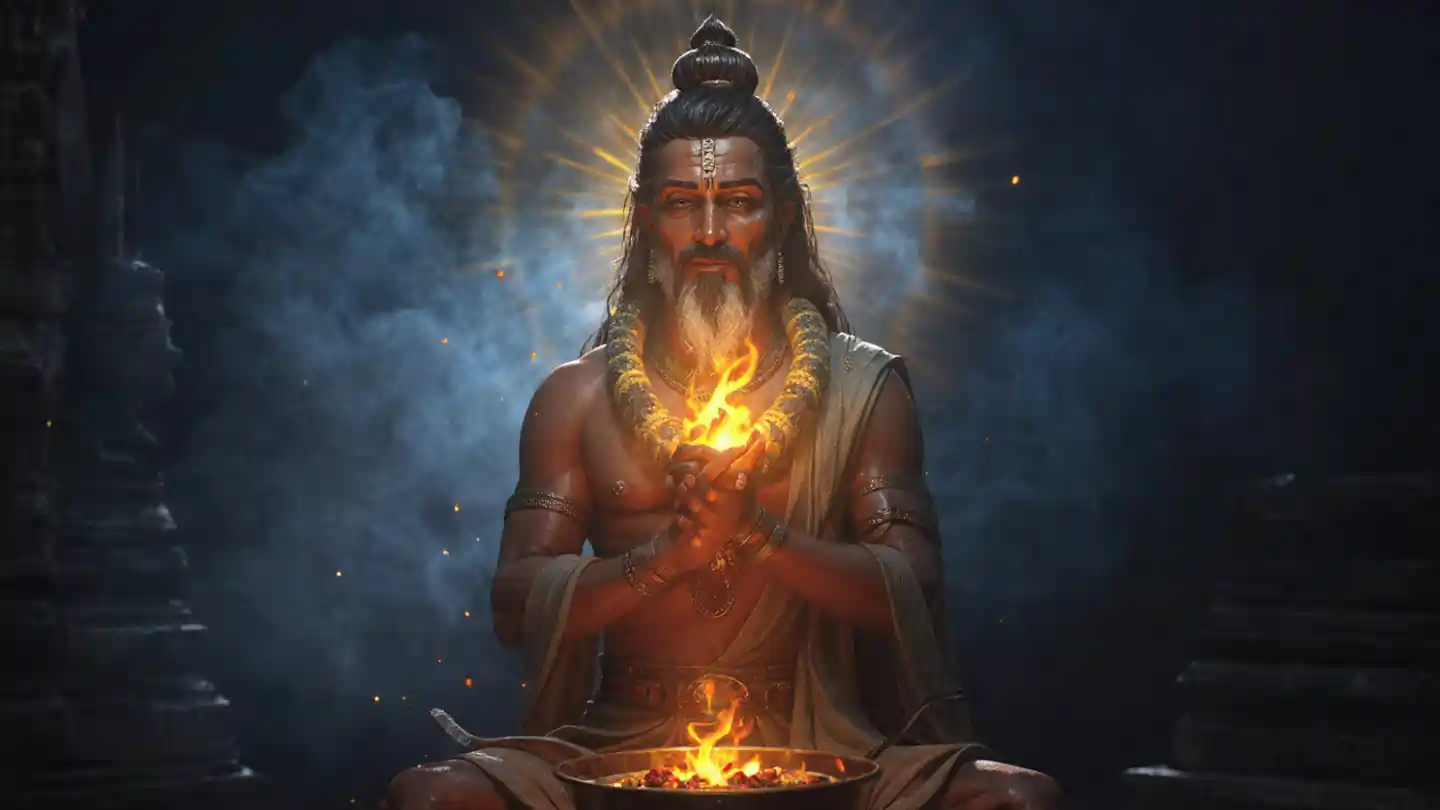
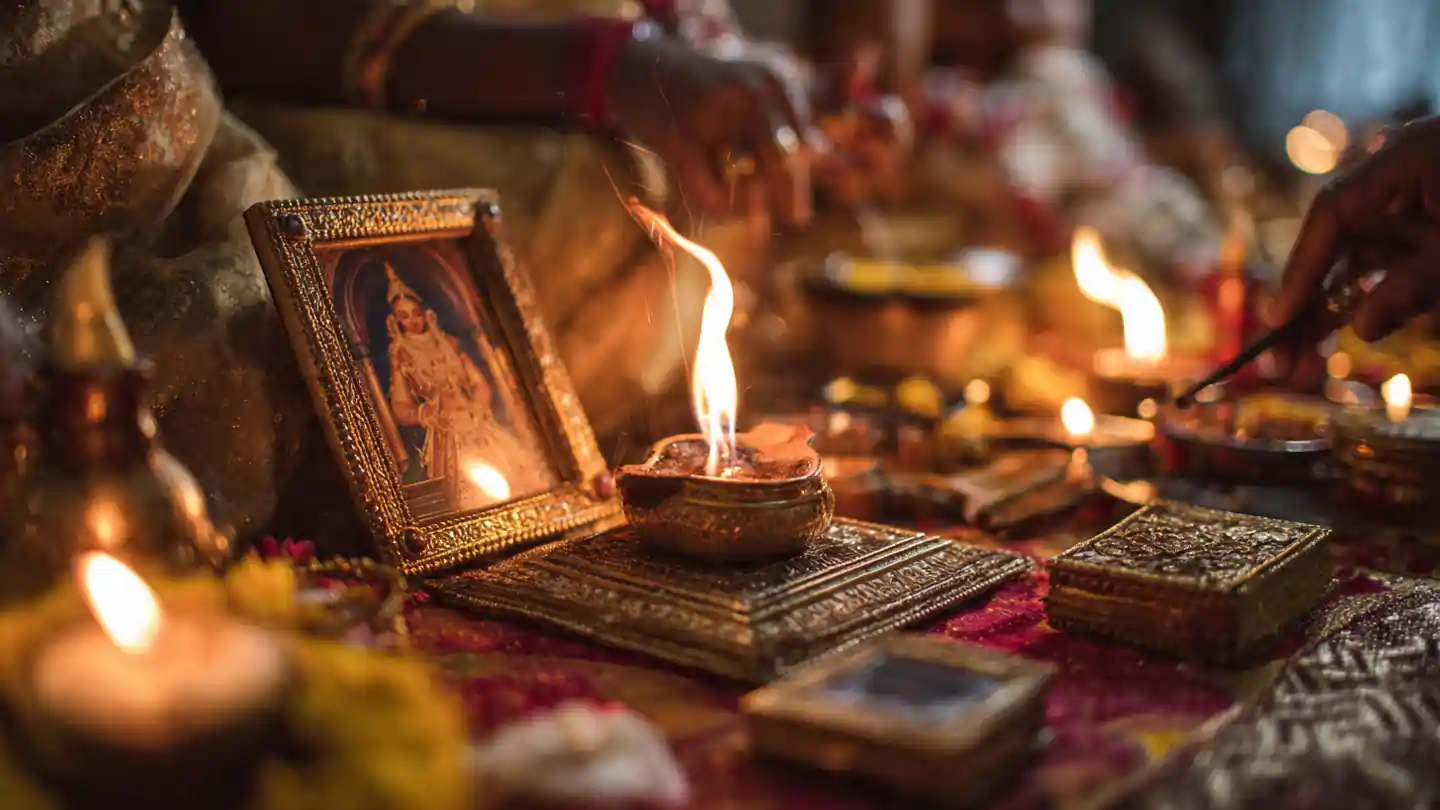
There is sorrow, silence, and memories—but also prayers, mantras, diya, and offerings. This ceremony gives them the strength to accept the loss while wishing peace for the departed soul.
The atmosphere becomes peaceful, like the soul finally finding its way.
FAQs
It is called Terahvin, Tehravi, or the 13th day ceremony.
It marks the soul’s final departure from the earthly realm.
The eldest son or a close family member performs the rites with a priest.
It is a traditional ritual believed to give peace to the soul.
The mourning period ends, and normal life gradually resumes.
📖 Read Also
1️⃣ LPG Gas Cylinder Price Today
2️⃣ Ujjwala Yojana जानकारी
3️⃣ KisanSuvidha Goverment Scheme
4️⃣ Bajrang Baan PDF – बजरंग बाण पाठ, लाभ और महत्व
5️⃣ Shiv Stuti Lyrics – शिव स्तुति का पाठ और अर्थ