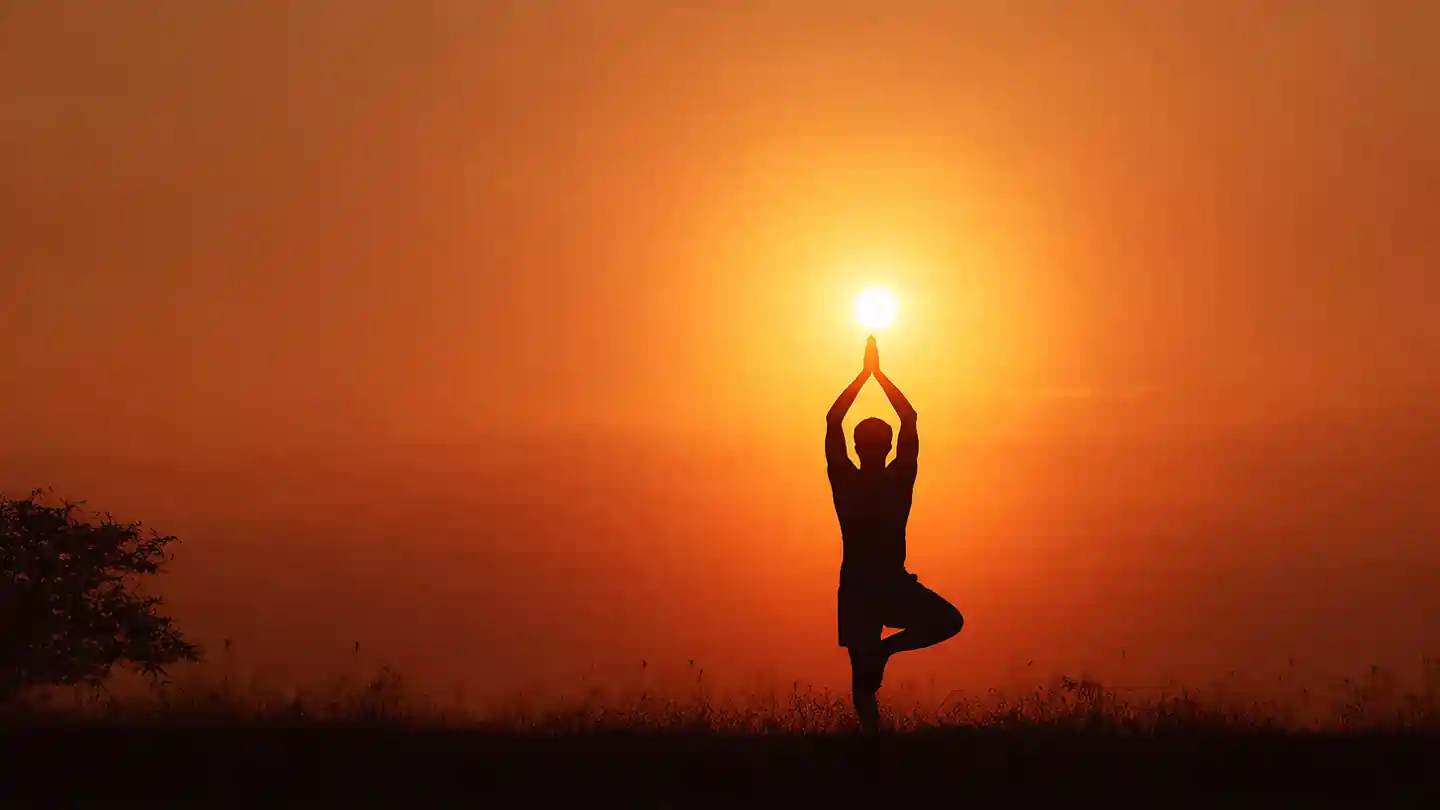
If you’re just starting out with yoga, Surya Namaskar can feel like a beautiful little morning ritual. It’s basically a flow of 12 gentle movements, and when you link your breath with each pose, the whole sequence feels surprisingly calming. In a traditional round, people count 24 breaths, but beginners don’t need to worry too much about that — the rhythm comes naturally after a few days.
In this guide, I’m breaking down the Surya Namaskar steps the way I personally learned them:
slow, easy to follow, and with a few small tips that make a big difference in alignment. I’ve also added some beginner-friendly variations and a short routine you can actually use every day. Nothing complicated — just a simple way to warm up your body and settle your mind before jumping into the rest of your day.
What Are Surya Namaskar Steps? (A Quick, Simple Explanation)
Surya Namaskar, or Sun Salutation, is basically a smooth flow of standing and floor poses that link directly with your breath. Every movement has an inhale or exhale attached to it, which is why the whole sequence feels like a moving meditation. A traditional round honors the energy of the Sun and gently wakes up almost every major muscle group. More than exercise, it’s a way to collect your thoughts and center your mind before your day begins.
Surya Namaskar Steps — The 12 Poses (Move With Your Breath)
Before you start, keep one thing in mind:
Don’t rush.
Let your breath decide the pace. Usually, upward or expanding movements are done on an inhale, and folding or grounding movements on an exhale.
1. Pranamasana (Prayer Pose)
Stand tall, feet grounded, spine long. Bring your palms together at your chest as you gently exhale.
Tip: Feel the weight evenly across both feet.
2. Hastauttanasana (Raised Arms Pose)
Inhale and sweep your arms overhead. Lift from your chest rather than collapsing into the lower back.
If your neck feels sensitive, keep the gaze straight instead of looking up.
3. Pada Hastasana (Standing Forward Fold)
Exhale and hinge from the hips, folding forward. Bend your knees slightly if hamstrings feel tight.
Lead with the chest instead of rounding the upper back.
4. Ashwa Sanchalanasana (Low Lunge – Right Leg Back)
Inhale as your right foot steps back. Lower the knee if you need support. Keep your gaze forward.
Blocks under your hands help if the floor feels too far.
5. Dandasana → Chaturanga (Plank to Low Plank)
Exhale and step into plank. Shift forward and lower halfway with elbows close to the ribs.
If this feels strong, drop your knees before lowering.
6. Ashtanga Namaskara (Eight-Point Pose) or Gentle Cobra
Inhale and lower knees, chest, and chin — or slide forward into a light Cobra.
Keep your elbows soft to avoid compressing the lower back.
7. Bhujangasana (Cobra) / Transition Pose
Lift your chest on an inhale. Open the heart area.
Some people skip straight into Down Dog from here — either way works.
8. Adho Mukha Svanasana (Downward Facing Dog)
Exhale, tuck your toes, and lift your hips upward.
Take a moment to pedal your feet or lengthen your spine.
9. Ashwa Sanchalanasana (Lunge – Opposite Leg Forward)
Inhale and bring the opposite foot forward between your hands.
Lower the back knee if needed.
10. Pada Hastasana (Forward Fold)
Exhale and step forward, returning to your fold.
Let your neck relax completely.
11. Hastauttanasana (Raised Arms Pose)
Inhale, rise slowly, and sweep your arms overhead once again.
Grow tall through the spine.
12. Pranamasana (Prayer Pose)
Exhale and draw the hands back to the heart.
Feel the breath settle before starting another round.
This makes one full round. To balance both sides of the body, repeat the sequence stepping the other leg back in Pose 4.
Breath Rhythm (Easy Rule to Remember)
- Inhale whenever you lift, open, or lengthen.
- Exhale whenever you fold, lower, or contract.
Traditionally, one full round includes 24 breath counts, but beginners can simply follow a steady, comfortable rhythm.
Beginner-Friendly Modifications
- Knee-down Chaturanga: Makes lowering much easier and safer.
- Use blocks: They reduce strain in folds and lunges.
- 1-breath-per-pose: Keeps the practice lighter for beginners.
- Chair-assisted Surya Namaskar: Helpful for seniors or anyone with mobility challenges.
Common Mistakes (And Simple Fixes)
- Back-bending too much in Raised Arms: Engage your core and lengthen upward.
- Reaching too far in Forward Fold: Bend your knees instead of forcing the stretch.
- Sagging hips in Plank: Press into the floor and slightly engage your glutes.
- Breathing too fast: Slow the breath; let each movement feel complete.
Benefits of Surya Namaskar Steps
Regular practice offers a surprisingly wide range of benefits:
- Warms up the whole body
- Improves flexibility, especially hamstrings and shoulders
- Builds core + upper body strength
- Reduces stress and clears mental clutter
- Supports digestion and metabolism
- Enhances morning energy and focus
How to Build a Daily Routine
Week 1:
Start with 3 rounds, practicing every other day. Focus mainly on breathing smoothly.
Weeks 2–4:
Increase to 6–8 rounds, five days a week. Hold Cobra and Down Dog for an extra breath.
After 1 Month:
If comfortable, move to 12 rounds at a steady, mindful pace. Adding 5 minutes of basic breathwork afterward feels really grounding.
Safety Notes
- Pregnancy: Avoid deep backbends and intense core work.
- Back/neck issues: Keep movements smaller and gentler.
- High BP or heart conditions: Go slow; consult a doctor if unsure.
- Knee pain: Add padding or keep both knees slightly bent.
Quick Practice Tips
- Practice on an empty stomach or at least 2 hours after eating.
- Use a stable, non-slip mat.
- Stay barefoot for better grip.
- Keep the breath through the nose.
- Morning sunlight makes the practice more energizing.
FAQs
Most beginners feel comfortable starting with 3 rounds and slowly working up to 6–12.
Yes, consistent practice boosts metabolism and supports healthy weight management.
With modifications, yes — but avoid deep backbends and consult a prenatal yoga expert.
Inhale to lift or open, exhale to fold or lower. Keep the breath slow and steady.
Yes. Daily practice is common, but always listen to your body.
Barefoot is best because it improves balance and grip.