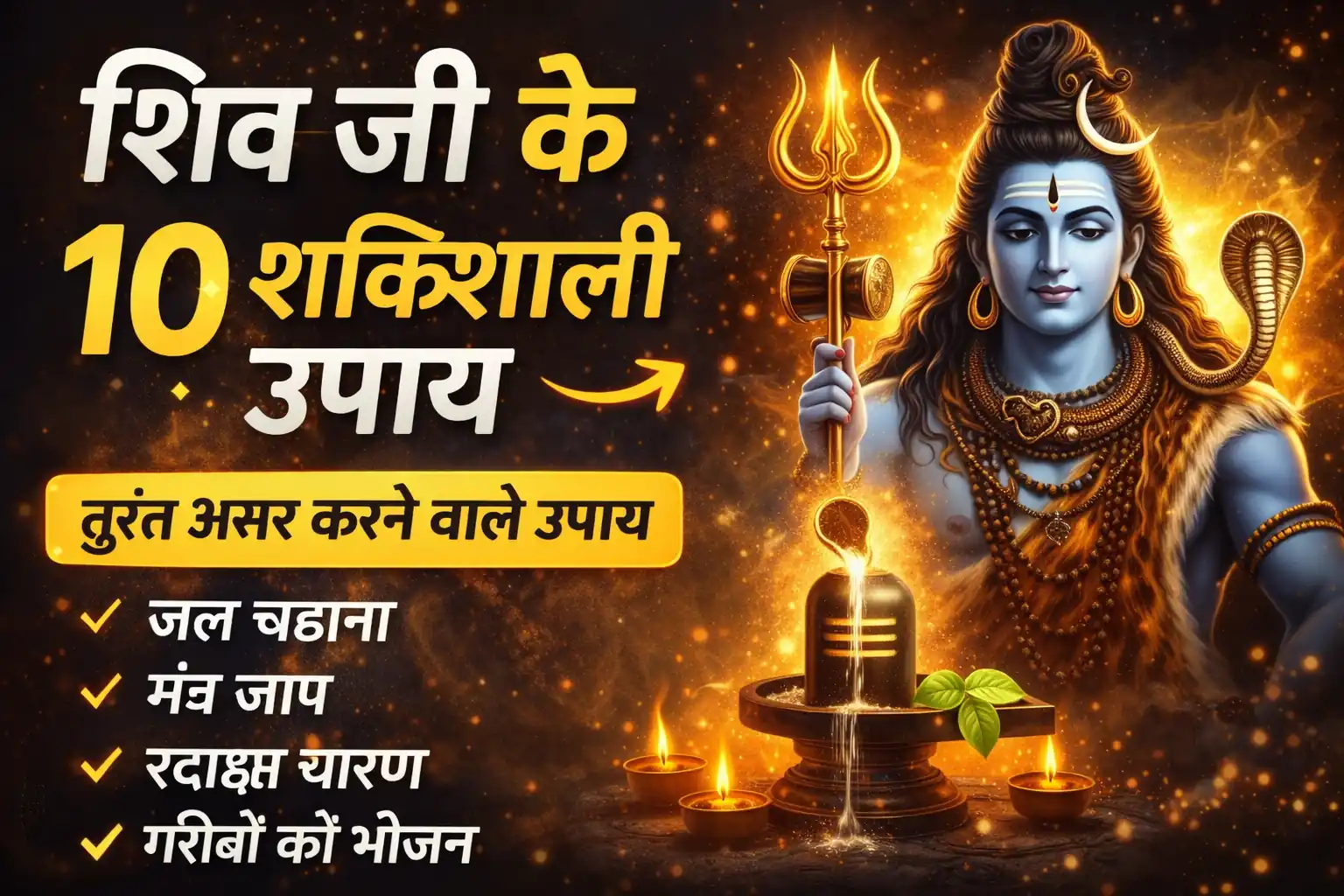
Lord Shiva is one of the most adored, worshipped, and timeless deities in Hindu Dharma. His energy is limitless, his compassion is boundless, and his divine forms are infinite. Every name of Shiva reflects a unique quality — power, love, destruction of negativity, inner awakening, cosmic balance, and spiritual liberation.
That is why the Shivji Name List holds deep importance for devotees. Chanting these names brings peace, courage, clarity, and divine protection. These names are not just words — they carry vibrations that purify the mind and elevate the soul.
In this post, you will find the complete Shivji Name List with meanings, written in a simple, devotional, and emotionally touching style.
Introduction – Why Shivji Has So Many Names?
Shiva is beyond definitions, beyond forms, and beyond limitations. He is the creator, destroyer, meditator, protector, and the ultimate consciousness. Because he expresses countless qualities, sages gave him many names to capture different aspects of his divine nature.
The keyphrase Shivji Name List reflects devotion, respect, and the desire to understand Shiva deeply. Knowing his names helps devotees connect with him in a more personal and emotional way.
Each name is a doorway — a path toward divine connection.
108 Names of Lord Shiva – Complete Shivji Name List with Meanings
Below is the sacred list of Shiva’s 108 names along with their meanings. Each name reveals a powerful truth about Lord Shiva.
1–20: Names Showing Shiva’s Cosmic Power
- Mahadeva – Greatest of all gods
- Shambhu – The one who gives happiness
- Shiva – The auspicious one
- Shankara – Giver of joy and welfare
- Maheshwara – Supreme Lord
- Rudra – The fierce one who removes negativity
- Nataraja – Cosmic dancer
- Bholenath – Lord of innocence
- Neelkanth – The blue-throated one
- Adiyogi – The first yogi
- Trilochana – Three-eyed Lord
- Gangadhar – Holder of river Ganga
- Omkareshwar – Form of divine sound OM
- Kailashpati – Lord of Mount Kailash
- Vishwanath – Lord of the Universe
- Mahakaal – Lord beyond time
- Pashupati – Protector of all beings
- Tryambakeshwar – Three-eyed God of sacred light
- Somnath – Lord who wears the moon
- Ardhanarishwara – Half Shiva, half Shakti
21–40: Names Showing Shiva’s Love, Calmness, and Strength
- Jatadhari – The one with matted hair
- Ashutosh – Easily pleased
- Chandrashekhara – Moon-crested Lord
- Kapalin – Holder of a skull bowl
- Mrityunjaya – Conqueror of death
- Sarveshwara – Lord of all
- Yogeshwara – Lord of yoga
- Digambara – Sky-clad Lord
- Shivashakti – Union of Shiva and Shakti
- Lingeshwara – Lord of the Shivling
- Vrishabhavahana – Rider of Nandi
- Mahabaleshwar – Lord of great strength
- Sureshvara – God of gods
- Aghora – Beyond fear
- Sharva – Archer who destroys evil
- Sadaashiva – Eternal Shiva
- Anantadrishti – Infinite observer
- Chandrapal – Protector with moonlight
- Devadidev – God of all gods
- Bhooteshwara – Lord of spirits
41–70: Names Showing Shiva’s Compassion & Divine Energy
- Mahateja – Radiant Lord
- Har – Remover of sorrow
- Jagadish – Lord of the world
- Vishalaksha – Wide-eyed Lord
- Omkara – Embodiment of OM
- Shrikantha – Beautiful-throated
- Tapahari – Remover of suffering
- Shoolin – Holder of Trishul
- Vayuvega – Swift as wind
- Nishkala – Without parts
- Parameshwara – Supreme God
- Vyomakesh – Sky-haired Lord
- Sanatana – Eternal
- Bhavesh – Lord of existence
- Jatadhari – One with sacred hair
- Tarun – Ever youthful
- Shuddha – Pure
- Pranava – Root sound of creation
- Ishana – Ruler of the northeast
- Niranjan – Unblemished Lord
- Sukhada – Giver of bliss
- Bhavani Pati – Husband of Goddess Parvati
- Giribala – Strong as mountains
- Jalandhara Shatru – Destroyer of Jalandhar
- Tripurantaka – Destroyer of three cities
- Pinakapani – Holder of Pinaka bow
- Sarvajna – Knower of all
- Agni Varna – Fiery-colored
- Dakshinamurthy – Divine teacher
- Hara Gauri Pati – Husband of Gauri
71–108: Names Showing Shiva’s Spiritual Perfection
- Parvati Vallabha – Beloved of Parvati
- Bhaktavatsala – Protector of devotees
- Kailashnath – Master of Kailash
- Somasundara – Beautiful moon-adorned Lord
- Mahavirya – Great warrior
- Rameshwara – Lord of Rama
- Sarvadhyaksha – Supreme overseer
- Nitya – Eternal
- Pralayakara – Creator of dissolution
- Jagatguru – Guru of the universe
- Anant – Infinite
- Gahaneshwara – Lord of mysteries
- Mahabuddhi – Supreme intelligence
- Aushadheshwara – Lord of medicines/healing
- Sarvavyapi – Present everywhere
- Chandramouli – Moon-crowned
- Kaladhara – Holder of time
- Shrikantha – Holy-throated
- Bhavabhaya Nashana – Destroyer of fear
- Amogh – Ever perfect
- Pralayakaraka – Creator of cosmic dissolution
- Mahartha – Great meaning
- Nirguna – Without attributes
- Gunadhara – Holder of virtues
- Sarvaloka Maheshwara – Lord of all worlds
- Chandraprakasha – Moonlight radiance
- Yogindra – King of yogis
- Pashupatinath – Lord of all beings
- Anagh – Sinless
- Mahashakti – Great power
- Harikesha – Golden-haired
- Nirmala – Pure consciousness
- Shrivallabha – Beloved of prosperity
- Jagannatha – Lord of the universe
- Nirlep – Untouched by impurities
- Shivalinga Rupa – Form of the Shivling
- Chaitanya – Pure consciousness
- Paramjyoti – Supreme divine light
Emotional & Personal Connection
Every name of Shiva carries a vibration that can heal the heart and calm the mind. Devotees feel peaceful when chanting them because every name feels like calling a loving father.
The Shivji Name List is not just a list — it is a journey into Shiva’s greatness.
Whenever life feels heavy, chanting even one name like Mahadeva, Shambhu, or Bholenath gives tremendous strength.
📖 Read Also
1️⃣ LPG Gas Cylinder Price Today
2️⃣ Ujjwala Yojana जानकारी
3️⃣ KisanSuvidha Goverment Scheme
4️⃣ Bajrang बाण PDF – बजरंग बाण पाठ, लाभ और महत्व
5️⃣ Shiv Stuti Lyrics – शिव स्तुति का पाठ और अर्थ
FAQs – Shivji Name List
There are traditionally 108 names of Lord Shiva.
Each name represents one of his divine qualities, powers, or cosmic roles.
All names are powerful, but “Om Namah Shivaya” is considered the most sacred.
Yes, it brings peace, clarity, mental strength, and spiritual protection.
Yes, anyone can chant with devotion. There is no rule of age, time, or place.