Hindu festivals follow varied regional customs and calendars. This guide helps you find the meaning and observance of major festivals, vrat and puja traditions, with links to detailed guides on Shivji.in. Festival dates can differ by region, local Panchang and the calendar followed by a family, so confirm the date for your location each year.
How Hindu festival dates are decided
Many Hindu observances are based on the lunar tithi, while some are linked to the Sun’s movement or a regional calendar. The tithi may begin or end at different clock times, and local tradition can affect when a puja or fast is observed. For a date-sensitive ritual, check a current Panchang for your city and follow your family or temple tradition.
Use our Panchang guide to understand daily calendar details, and see what Choghadiya means. These explain calendar terms; always check a current local source for today’s timings.
Festival and vrat guides
Start with the festival or observance you want to understand. Each guide covers its background, common customs or puja steps. Some older articles refer to a particular year; use those as background and verify dates and muhurat for the current year.
- Maha Shivratri: significance and puja guidance
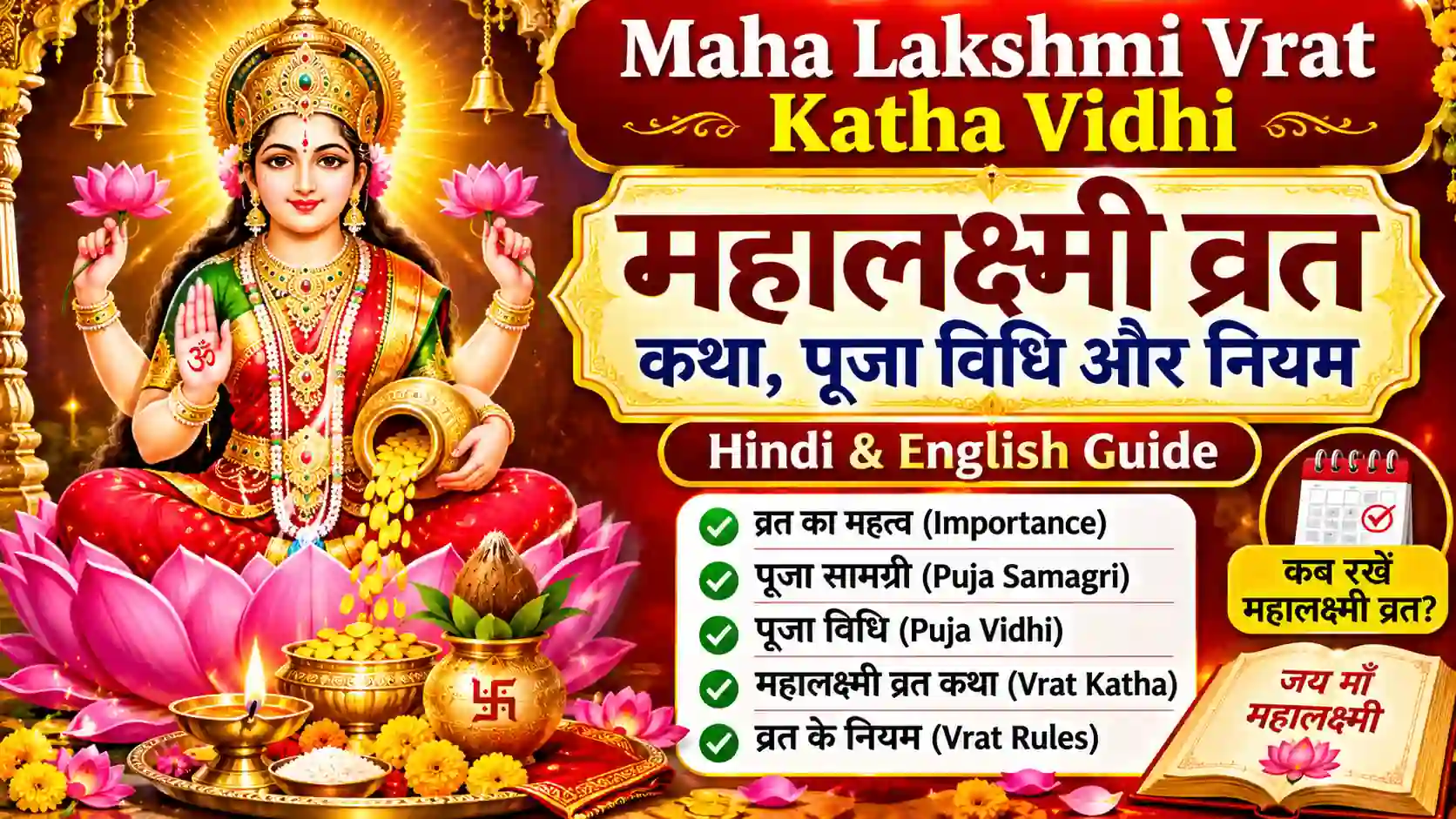
- Diwali Lakshmi Puja: samagri and home puja steps
- Navratri colours and their traditional associations
- Navratri calendar and observance guide
- Saraswati Puja: meaning and puja vidhi
- Sakat Chauth: vrat and puja guide
- Ram Navami: traditions and significance
- Hanuman Jayanti: date, puja and meaning
- Raksha Bandhan: muhurat and customs
- Somvar Vrat: observance and spiritual meaning
- Masan Holi in Varanasi: local tradition
- Hindu calendar basics: how to check today’s day
A simple way to prepare for a festival
- Confirm the tithi, local date and puja time for your city.
- Read the observance guide and note which steps are customary in your region.
- Prepare only the samagri you need; lists can vary by family tradition.
- Keep health and personal circumstances in mind when observing a fast.
- Ask a trusted temple or family elder if a ritual detail is unfamiliar.
A guide can explain common practice, but it cannot replace the local calendar or the customs of your family and community. For Shiva-focused observances, continue with our Shiv Puja Vidhi and vrat guide.